
laminated translucent glass
The Runout Reality: What Shops Are Really Buying (and Why It Matters) If you’ve ever chased a mysterious vibration or a whisper of noise in a gearbox, you’ve met the culprit: radial runout. The tool most machine shops are leaning on now is the runout tester . To be honest, it’s not glamorous—two centers, a base, a probe—but it’s the quiet difference between a smooth spindle and a warranty claim. Quick background and where it’s built The instrument I’m looking at today is a pendulum-style runout tester from STR Machinery (Origin: No.17, Building 11, Hardware Building Material City, Botou, Cangzhou City, Hebei Province, China). It locates the shaft between two thimbles (centers), rotates the part, and the probe reads total indicator runout (TIR) directly in the radial direction. Simple, repeatable, shop-floor friendly. Why the spike in demand? Two words: electrification and noise. EV suppliers, servo motor makers, and precision pump builders are tightening GD&T callouts. Many customers say they used to accept 15–20 μm TIR on small shafts; now it’s single digits. Surprisingly, the cost of missing those specs isn’t just scrap—it’s downstream balancing, bearing heat, and customer returns. Product snapshot and specs Parameter Spec (typ.) Notes Center distance ≈ 50–500 mm (custom up to 1,000 mm) Real-world use may vary by fixture Indicator/probe 0.5–1 μm resolution (dial/LVDT) Digital readout optional Base and centers Cast iron or granite; HRC 58–62 centers Carbide tips optional Repeatability ≤ 1 μm (on gauge masters) Uncertainty U ≈ 2 μm (k=2) Max part weight ≈ 20 kg (higher on request) Balanced rotation recommended Service life 8–10 years typical With annual calibration Where it’s used (and what people measure) Automotive: camshafts, input/output shafts, e-axle rotors Industrial motors: spindles, armatures, pump shafts Medical and tooling: surgical reamers, precision mandrels Typical standards referenced on drawings: ISO 1101 run-out, ASME Y14.5 circular runout and total runout. Some customers also tie results to balancing per ISO 21940 for rotors. Process flow (how shops actually run it) Materials: granite/cast-iron base, hardened steel or carbide centers, LVDT or dial indicator. Methods: verify probe zero on a ring or artifact, mount shaft between centers, rotate by hand (constant speed helps), record TIR at multiple stations (bearing journals, seal lands). Testing standards: ISO 1101/ASME Y14.5 callouts; calibration to ISO 9001 procedures; traceability via a gauge block or roundness master. I guess the unsung hero here is consistency—same pressure, same speed, same operator notes. Customization options STR offers longer beds, custom centers for tiny diameters, dual-probe heads for axial and radial checks, SPC data output (USB/RS-232), and protective enclosures for shop-floor grit. Many customers say the data logging alone paid for itself in PPAPs. Vendor comparison (field notes) Vendor Gauge resolution Customization Lead time Certs After-sales STR Machinery 0.5–1 μm High (beds, probes, data) 3–6 weeks ISO 9001, CE Remote + spares Global Brand X 0.2–0.5 μm Medium 8–12 weeks ISO 17025 support Global onsite DIY V-block + dial 1–10 μm Low Immediate None Self-maintained Real-world results Case 1 (Tier-1 EV supplier): switching to a runout tester with dual-probe data logging cut camshaft scrap from 3.1% to 0.6% in 90 days; worst-station TIR dropped from 11 μm to 6 μm after process tuning. Case 2 (EU bearing plant): introducing standardized runout tester routines reduced balancing weights on small rotors by ≈18%, correlating TIR stations with mass eccentricity per ISO 21940. Compliance and paperwork Typical package includes ISO 9001 calibration record, CE declaration, and probe certificate. Test method references: ISO 1101 run-out symbols and ASME Y14.5 definitions. In practice, I’d still validate uncertainty against your own masters. Final thought Measuring runout isn’t exciting, but the payback shows up in quieter machines and calmer QA reviews. Actually, that’s priceless. ISO 1101:2017 — Geometrical product specifications (GPS) — Geometrical tolerancing — Tolerances of form, orientation, location and run-out. https://www.iso.org/standard/69150.html ASME Y14.5-2018 — Dimensioning and Tolerancing. https://www.asme.org/codes-standards/find-codes-standards/y14-5-dimensioning-and-tolerancing ISO 21940 (series) — Mechanical vibration — Rotor balancing. https://www.iso.org/committee/54108.html
about
laminated translucent glass
Understanding the Dial Bore Gauge An Essential Tool for Precision Measurement In the realm of mechanical engineering and manufacturing, precision is a core requirement. One tool that plays an indispensable role in ensuring accuracy in measurements is the dial bore gauge. This versatile instrument is particularly significant when it comes to measuring the internal diameter of cylindrical objects with high precision. A dial bore gauge typically consists of a measuring rod equipped with a dial indicator and a set of interchangeable tips that can be adjusted to measure various sizes. With a range of 50 to 160mm, this particular gauge is capable of measuring a wide variety of bore sizes, making it ideal for various applications in mechanical workshops and production facilities. Components and Functionality The primary component of a dial bore gauge is the dial indicator, which allows the user to read measurements with high clarity. The gauge also features a calibrated rod, which extends into the bore of the workpiece. The interchangeable tips, usually carbide-tipped, help the tool make contact with the internal surface, ensuring accurate readings. As the gauge is inserted into the bore, any deviation from the nominal size results in a corresponding movement of the dial indicator needle, providing real-time feedback on the bore diameter. To use a dial bore gauge effectively, it is essential to follow a systematic process. The tool needs to be set to the nominal diameter of the bore to be measured. Once positioned within the bore, it is important to rotate the gauge slightly and take multiple readings at different clock positions of the bore to account for any irregularities. This method not only verifies the diameter but also helps to identify any taper or out-of-round conditions in the workpiece. Applications in Industry dial bore gauge 50 160mm Dial bore gauges are widely utilized in various sectors, including automotive, aerospace, and manufacturing industries. Their precision makes them suitable for measuring the internal diameters of engine cylinders, hydraulic cylinders, and bearing holes. In these applications, even minor deviations in size can lead to significant performance issues or mechanical failures, underscoring the need for accurate measurements. The ability to detect imperfections, such as wear or damage within a bore, also enhances the maintenance of equipment. For instance, in automotive engine maintenance, ensuring that the bore specifications are met can prevent oil leaks and ensure proper sealing of components. Consequently, regular monitoring with a dial bore gauge can prolong the life of machinery and reduce the costs associated with repairs or overhauls. Advantages Over Other Measuring Methods Compared to other measuring instruments, such as calipers or micrometers, the dial bore gauge offers several advantages. Its design allows for measurements at the internal surfaces of bores that are often difficult to access with traditional tools. Additionally, the simplicity of reading the dial indicator facilitates quick assessments, enhancing productivity on the factory floor. Furthermore, the dial bore gauge's versatility is noteworthy. With the ability to measure a wide range of diameters by switching tips, it can serve multiple purposes in a workshop without the need for numerous specialized tools. Conclusion The dial bore gauge plays a crucial role in modern manufacturing and mechanical engineering. Its precision, versatility, and ease of use make it an essential tool for professionals who demand accurate measurements. By incorporating this tool into their measurement practices, engineers and machinists can ensure that their products meet the required specifications, ultimately contributing to improved performance, safety, and reliability in various applications. Whether you are in an automotive workshop or a high-tech manufacturing facility, investing in a quality dial bore gauge is a decision that pays dividends in precision and efficiency.
-

High quality industrial productsagement

High quality industrial products
View Details -

Meet the diverse needs of customers

Meet the diverse needs of customers
View Details -

Strict quality control

Strict quality control
View Details -

Top raw materials

Top raw materials
View Details -

Trusted supplier

Trusted supplier
View Details
Our application
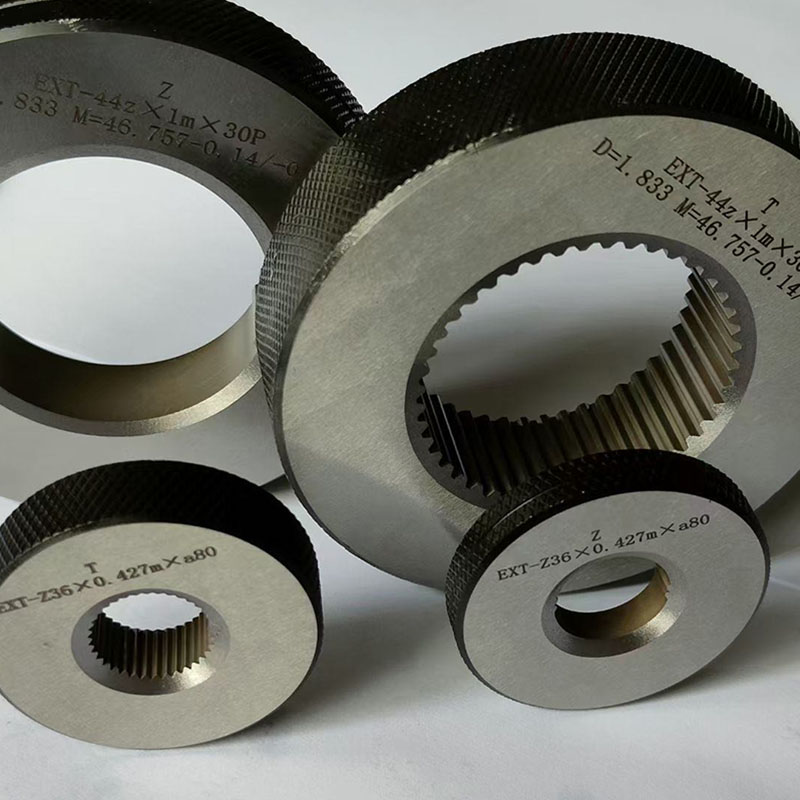
news and information
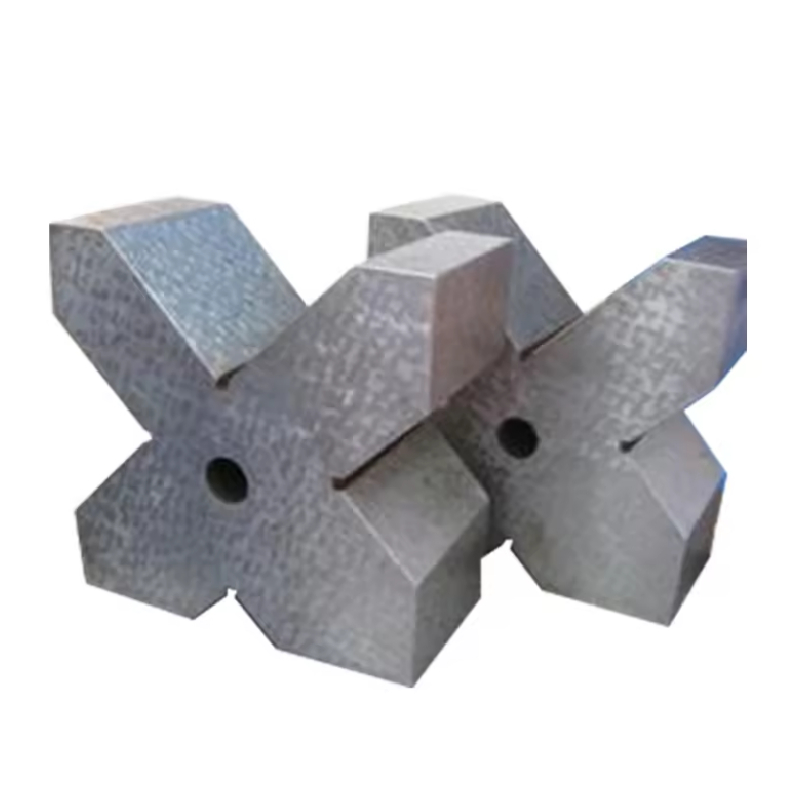
Welding and Fabrication Tables Available for Purchase Online
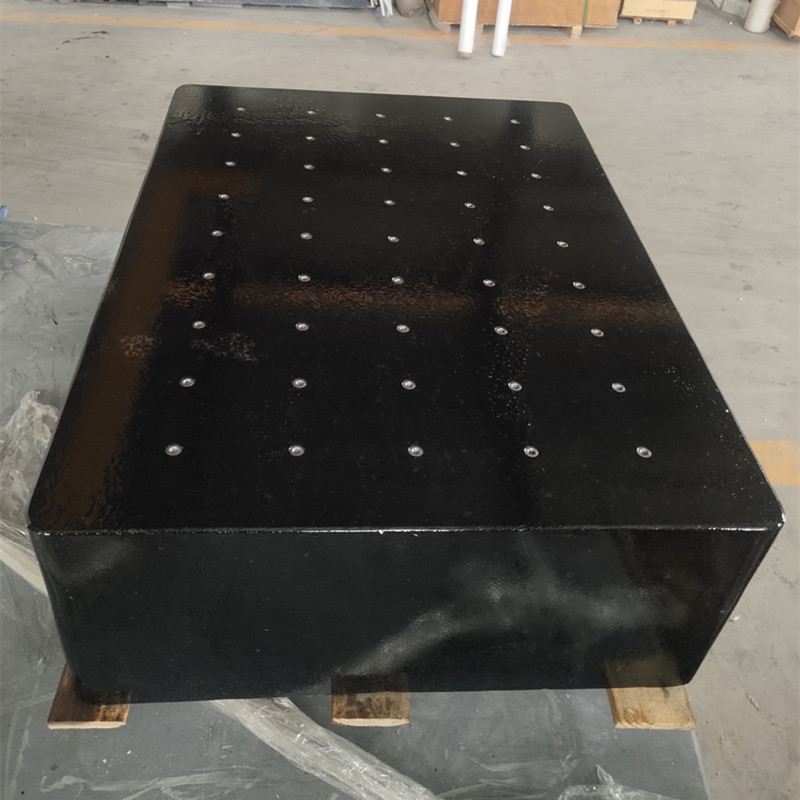
welding fab table for sale .

use of thread gauge
The Use of Thread Gauges Ensuring Precision in Manufacturing In the world of manufacturing and engin
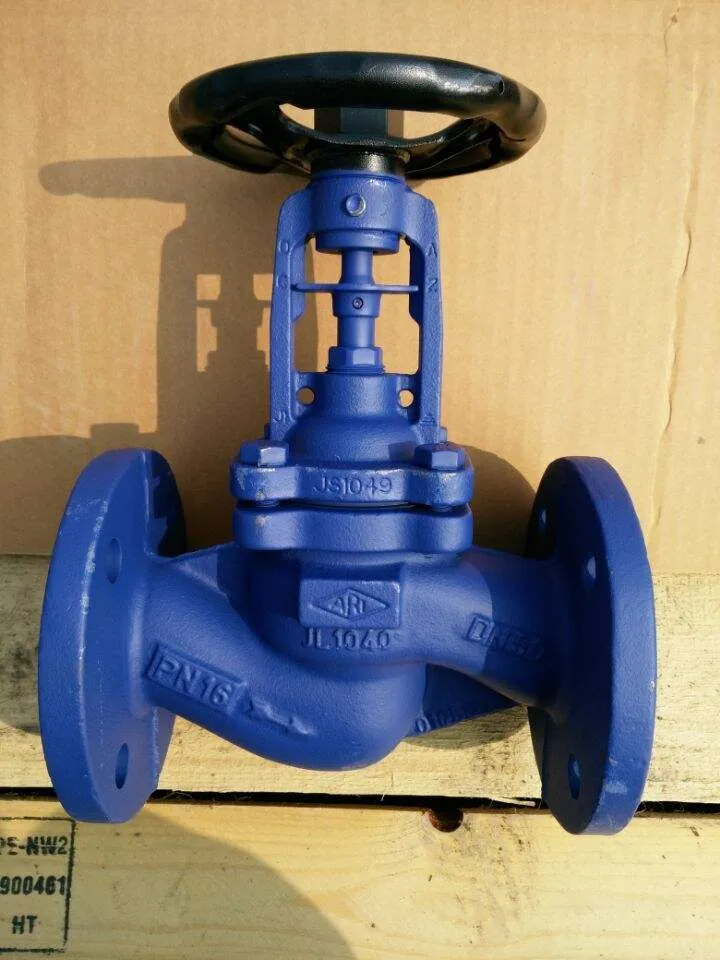
Y Strainer Buhar Tuzağı Performansı ve Kullanım Alanları Hakkında Bilgi
Y Strainer ve Buhar Tuzakları Verimli Endüstriyel İşlemler için Kritik Bileşenler Endüstriyel tesisl
 English